


Regulatory Weaponization: How Open Banking and Data Protection Laws Became Africa's Ultimate Tech Defense
Regulatory Weaponization: How Open Banking and Data Protection Laws Became Africa's Ultimate Tech Defense in 2026

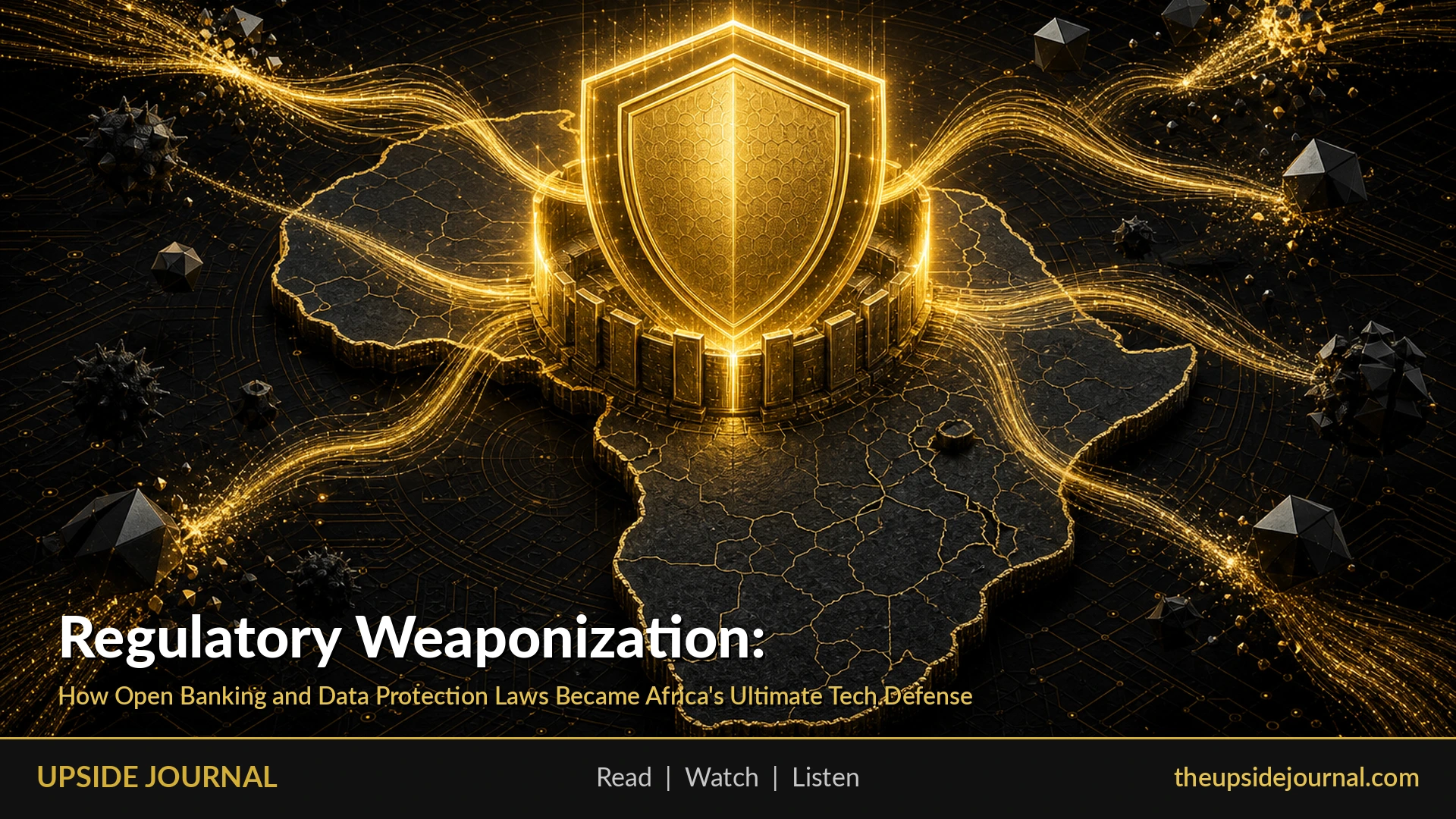
In mid-2026, forward-thinking diaspora founders operating across Nigeria, Kenya, and broader African markets are reinterpreting strict regulatory frameworks not as obstacles, but as powerful defensive assets. Open banking initiatives and robust data protection laws—once viewed primarily as compliance burdens—are emerging as strategic moats that shield local consumer data from unchecked international extraction while accelerating sovereign tech innovation.
This “regulatory weaponization” trend represents a sophisticated evolution in how African tech ecosystems approach governance, turning policy into product differentiation and long-term competitive advantage.
The Regulatory Backdrop in Mid-2026
Nigeria and Kenya have intensified enforcement of data protection and open banking rules. Nigeria’s Data Protection Act and Kenya’s Data Protection Act, combined with open banking frameworks, impose strict requirements on data localization, consent, and cross-border transfers. Extraterritorial provisions mean international players must comply when handling African user data.
Tax reforms in both markets further incentivize local infrastructure investment and penalize aggressive data extraction models. These measures respond to growing concerns over digital sovereignty, consumer privacy, and economic value retention in the AI era.
For diaspora-led startups, this environment creates both challenges and opportunities. Instead of lobbying for lighter rules, many are embedding compliance into core architecture from day one.
How Diaspora Founders Build Compliance Moats
Diaspora operators, with experience navigating US/EU regulatory regimes, bring sophisticated understanding of compliance as a feature. They design regional API rails that prioritize data minimization, granular consent, and local processing—making it difficult for non-compliant global players to compete.
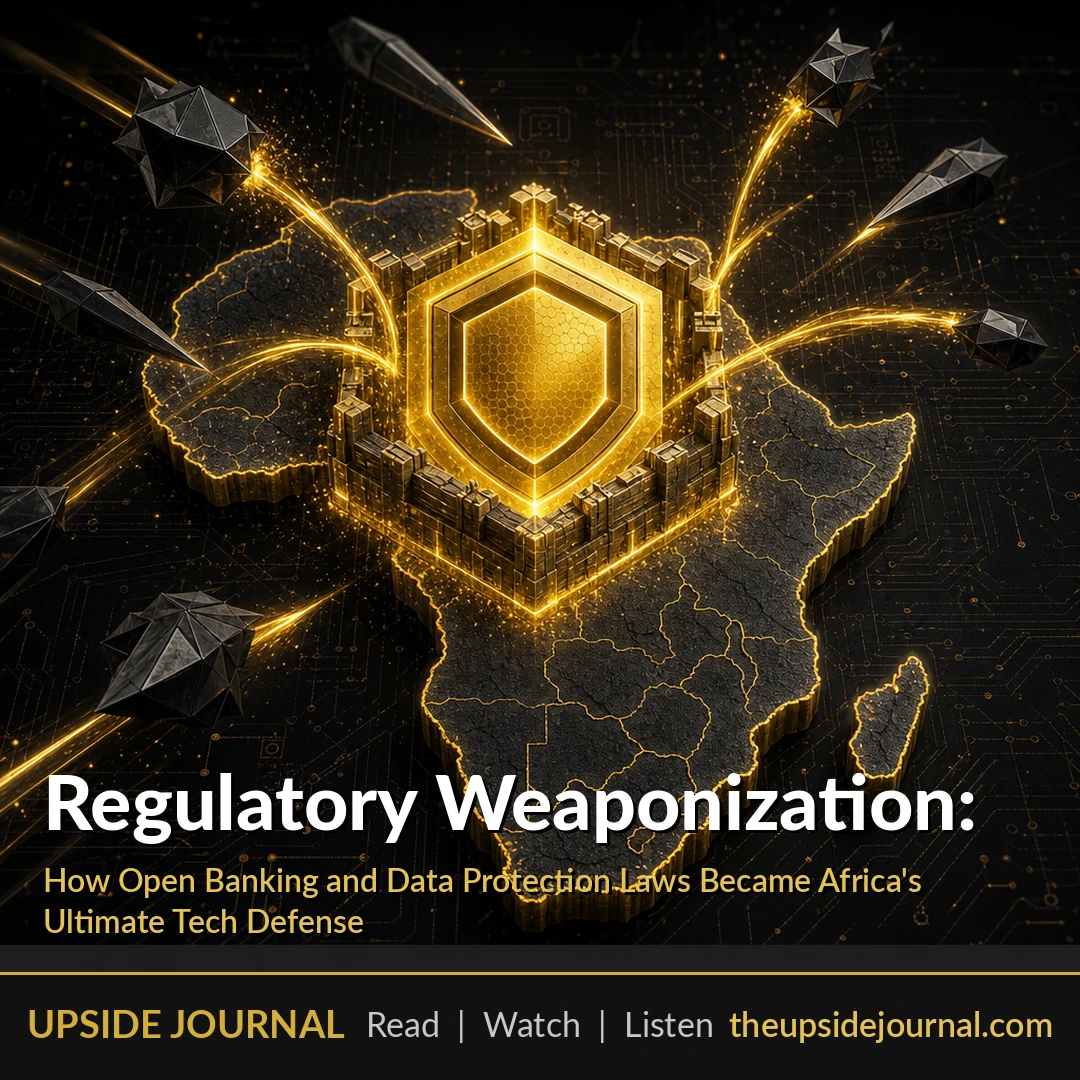 Key Strategies:
- Sovereign Data Pipelines — Routing sensitive operations through local or regional clouds.
- Compliance-by-Design APIs — Building open banking interfaces that exceed minimum requirements, creating trust with regulators and users.
- Audit-Ready Architectures — Real-time logging and explainability features that reduce regulatory risk and appeal to enterprise clients.
This approach turns regulatory overhead into a barrier for copycat competitors while building goodwill with policymakers.
Case Studies from the Front Lines
Diaspora-founded fintech and data platforms in Nigeria and Kenya are demonstrating the model. Companies embedding open banking compliance early report faster regulator approvals and stronger partnerships with local banks. In Kenya, data protection-compliant AI tools for agriculture and health are gaining traction with government contracts.
These founders often maintain dual networks—global capital access from diaspora hubs and deep local regulatory relationships—giving them an edge in execution.
Broader Implications for African Tech Defense
Regulatory weaponization strengthens Africa’s position in the global tech stack. By protecting data pipelines, ecosystems foster homegrown innovation rather than perpetual dependency. This aligns with continental goals around digital sovereignty and the AfCFTA digital protocol.
For global enterprises entering African markets, partnering with compliance-first local players becomes the efficient path. Diaspora founders serve as ideal bridge operators.
Risks and the Operator’s Playbook
Challenges include enforcement inconsistency, talent gaps in compliance tech, and potential over-regulation stifling innovation. Successful operators balance rigor with agility.
Playbook Recommendations:- Embed compliance teams early in product development.
- Leverage diaspora networks for best-practice sharing.
- Engage proactively with regulators on sandbox initiatives.
- Design for interoperability under AfCFTA frameworks.
In 2026, the most resilient African tech companies will be those that treat regulation as a core competency rather than a cost center.
How are regulatory frameworks shaping your African tech strategy? Share in the comments or join our premium membership for deeper policy intelligence and operator briefings. Intelligent. Cultural. Global. Human.“Where the world’s conversations become movements.”